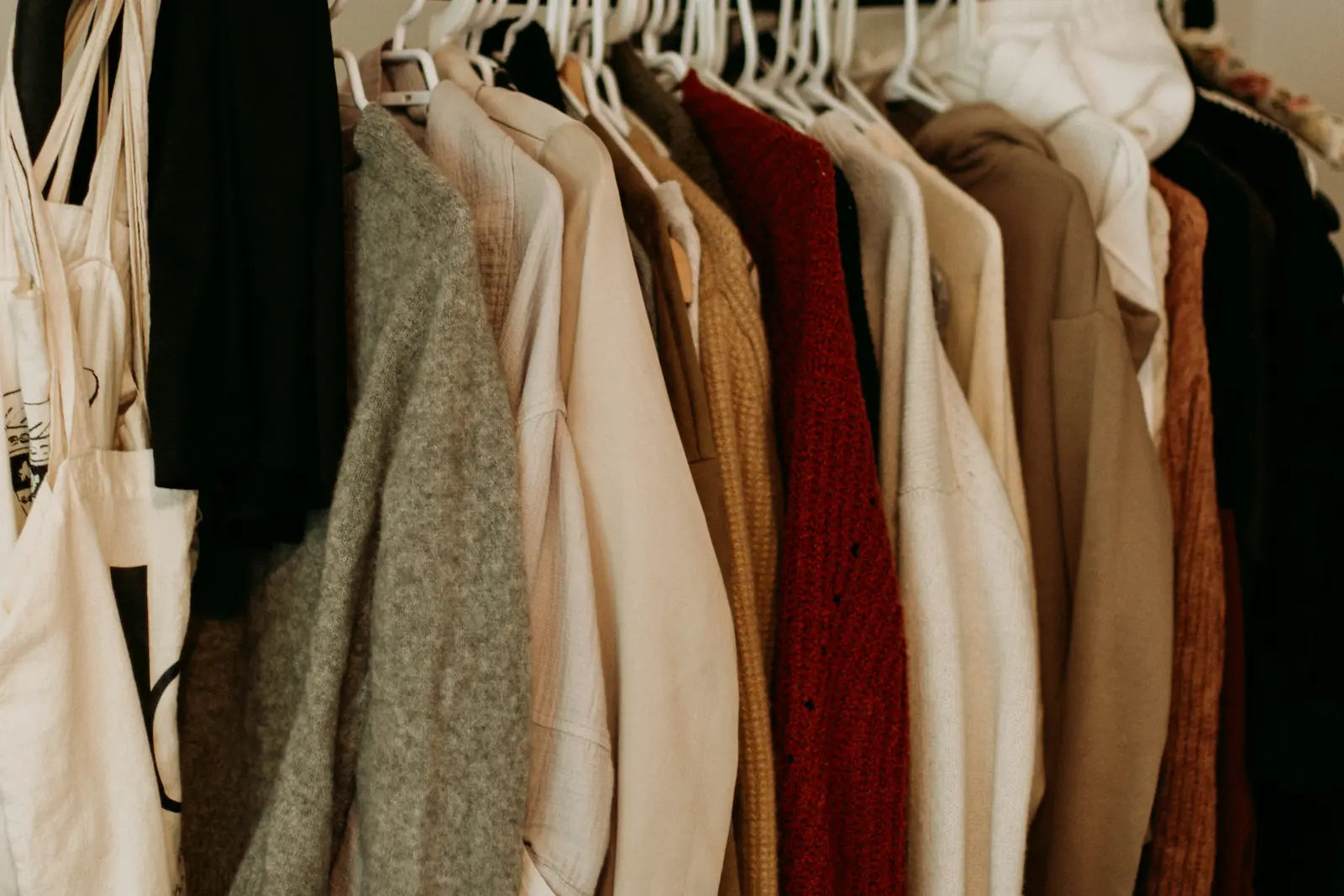
Buying secondhand isn't a compromise. It sidesteps every problem in the fashion supply chain: no new raw materials, no manufacturing emissions, no exploitative labour, no new plastic packaging. It also tends to produce better quality at lower prices, once you know where to look and what to look for.
Why secondhand comes first
It's not about being frugal. It's the single highest-impact choice you can make.
Every garment that already exists represents a sunk environmental cost. The water, energy, chemicals, and labour that went into making it have already been spent. Buying it secondhand doesn't add to that cost; it extends the use of what's already been produced and keeps it out of landfill. According to ThredUp's 2024 Resale Report, extending the life of a garment by just nine months reduces its carbon, water, and waste footprints by 20 to 30%.
The secondhand market in 2024 was estimated at $244 billion globally and is projected to nearly double by 2028. This is no longer a niche: Vinted reached 100 million registered users in 2024. ThredUp processes millions of items a year. The infrastructure now exists to find almost anything secondhand if you know where to look.
The only meaningful objection is hygiene, which is easily addressed by washing before wearing, and fit, which requires knowing your measurements and being selective. Neither is a barrier for most shoppers once they've navigated a platform a few times.
Platform by platform
Each platform has a different character. Using the wrong one for what you're looking for wastes time.
The fastest-growing resale platform in Europe and increasingly in the US. No selling fees for sellers (buyers pay a small protection fee), which means prices tend to be lower than comparable items elsewhere. The app is well-designed and search is strong. Best for everyday clothing, basics, and brands that appear in mid-market high street stores. The volume is enormous, so finding specific items is easier here than almost anywhere.
Skews younger and more fashion-forward than most platforms. Strong for vintage pieces, Y2K, nineties and noughties fashion, and anything with a distinctive aesthetic. Sellers often style and photograph items well, which makes browsing more pleasurable. Prices have risen significantly as the platform has grown — it's less of a bargain destination than it once was. Owned by Etsy since 2021.
A consignment model: you send a bag of clothes to ThredUp, they photograph, price, and list items they accept, and send back or recycle the rest. Good for buyers who want a curated experience without the scrolling — search filters are sophisticated and quality control is better than peer-to-peer platforms. Payouts for sellers are low, sometimes frustratingly so. Best for buying rather than selling if you want good value.
A social selling platform where community engagement (sharing, following, offers) significantly affects how well items sell. Better for higher-priced or designer items than basics. The social element works well if you're willing to invest time in the platform. Fees are high at 20% on sales over $15, which makes lower-priced items less worth listing.
Underrated for fashion. The global audience means you can find things that simply don't exist on other platforms: discontinued lines, specific vintage pieces, international brands. The interface is dated and the experience less curated, but the depth of inventory is unmatched. Particularly good for footwear, outerwear, and designer pieces where scarcity matters.
How to buy well
Most bad secondhand purchases come from the same mistakes. They're avoidable.
Know your measurements before you start. Not your usual size — your actual chest, waist, hip, and inseam in centimetres or inches. Vintage sizing in particular is unreliable, and even contemporary items vary significantly by brand. If a seller's listing doesn't include measurements, ask before buying. A good seller will measure and respond promptly. If they don't respond, that's useful information.
Read condition descriptions carefully and look at all photos. Look for pilling, fading around collars and cuffs, underarm staining, and stretched hems. Ask for additional photos of any area you're uncertain about. Good platform protection means you can return items that aren't as described, but it's easier not to need to.
Save searches and check regularly. The best items move fast, especially on Vinted and Depop. For specific pieces you're looking for, saved searches with notifications are the most effective tool you have.
How to sell effectively
Photos and honesty are the two variables that determine whether your items sell.
Photography is disproportionately important. Natural daylight, a plain background, and showing the item flat and on a hanger (or on a body) will outsell a dim photo every time. Include a detail shot of any wear or damage, which builds trust and reduces disputes.
Price competitively by searching for the same item on the platform before listing. Overpriced items sit for months. Underpriced items leave money on the table. Most platforms let you offer discounts to people who have liked an item, which is a useful conversion tool for items that have sat for a while.
Be precise in your descriptions: brand, size, actual measurements, fabric if known, condition honestly described, and any flaws. Listings that do this well convert faster and generate fewer returns and disputes.
Don't overlook local
Charity shops, markets, and swaps are slower but often better.
Physical charity shops and vintage markets involve more effort but offer things digital platforms don't: you can feel the fabric, check the fit, and find things you weren't looking for. The best vintage markets in most cities are worth visiting once a month if you're actively building a wardrobe.
Clothing swaps — organised events where people bring items they no longer wear and take home things others have brought — are genuinely underused. They're free, social, and often produce excellent finds because the items are pre-selected by people with taste. Local community boards, Facebook groups, and apps like Olio list swaps in most towns and cities.
Olio in particular is worth knowing: a community sharing app where people list clothes (and food and household items) for free collection. The quality varies but the price is hard to argue with.
The pitfalls
Secondhand shopping done badly can still be overconsumption. The sustainability argument only holds if you're buying things you'll actually wear.
A cheap item you don't wear is still a waste. The secondhand discount doesn't change the equation if the item ends up in a bag for the charity shop six months later.
Heavily pilled knitwear can be de-pilled. Light fading on denim is normal. But a stretched-out waistband or a broken zip rarely gets fixed. Buy things you can wear now, not projects.
Multiple small purchases shipped individually from across the country add up. Batch your buying where possible, and consider whether local options serve the same need.
"I'll sell it if I don't wear it" is a rationalisation, not a plan. The sell-through rate for casual resellers is lower than people expect, and the friction is higher. Buy less, choose better.