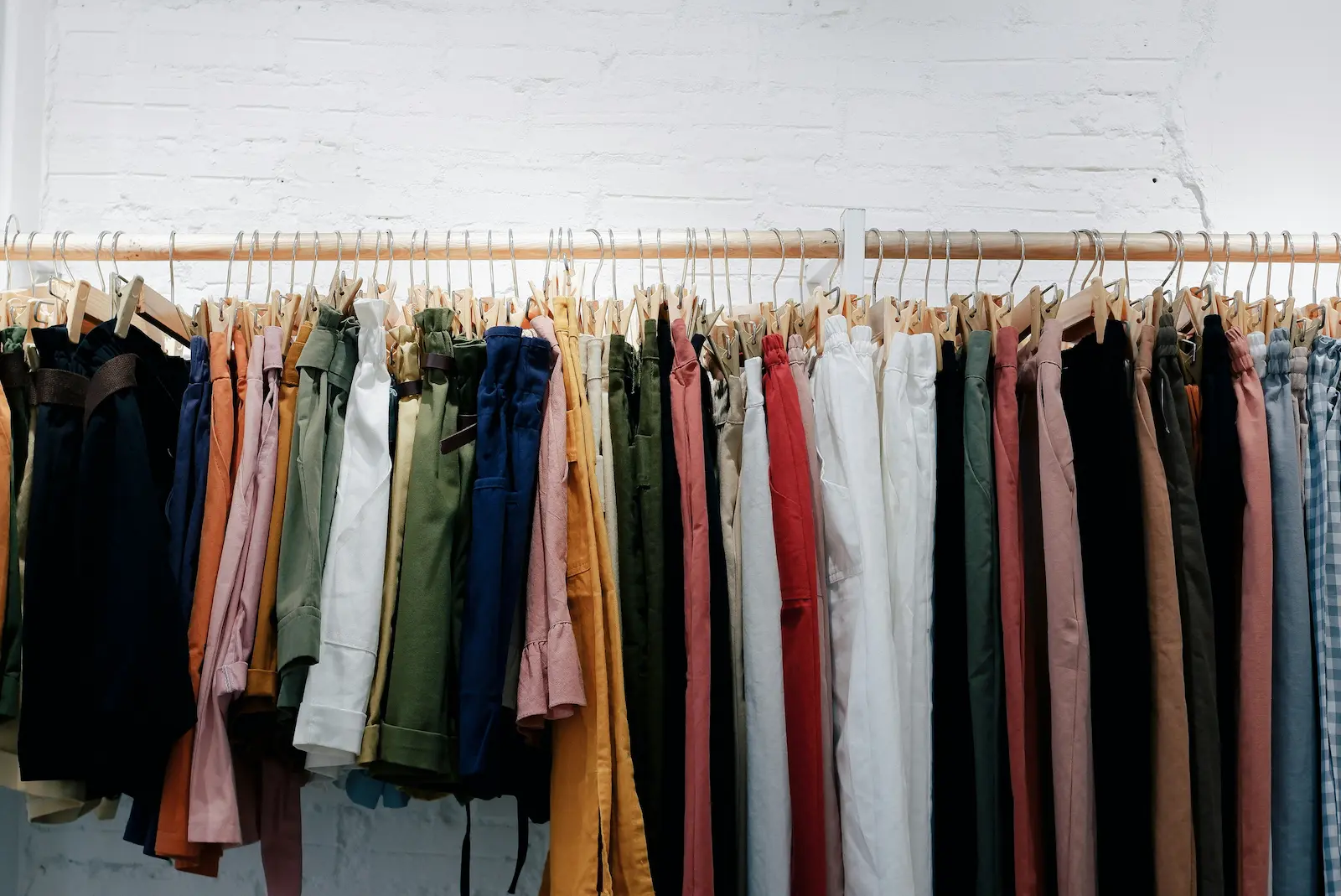
The term "slow fashion" was coined by sustainability consultant Kate Fletcher in 2007, as a deliberate counterpoint to fast fashion. In the 18 years since, it's been co-opted by brands using it as a marketing term, misunderstood as a synonym for expensive, and reduced to a mood board aesthetic. Underneath the noise, the original idea is both simpler and more radical than any of that.
Where slow fashion came from
The concept predates Instagram by over a decade. Its origins matter.
Kate Fletcher drew the term directly from the slow food movement, which itself emerged in Italy in 1989 as a response to the opening of a McDonald's near the Spanish Steps in Rome. Slow food was a protest against standardisation, speed, and the erosion of local food culture. It argued that food had value beyond efficiency: it had stories, places, seasons, and relationships. Fletcher applied the same logic to clothing.
Her argument was that the fashion industry's acceleration — the shift from two seasons a year to four, then eight, then the essentially continuous new-stock model that platforms like Zara pioneered — had severed the relationship between maker and wearer, between garment and care. Clothes had become disposable. Slow fashion was a proposal for what the alternative might look like.
Fletcher wasn't arguing for nostalgia or a return to hand-sewn everything. She was arguing for a different set of values to govern how clothes are made and used: values that take into account the full lifecycle of a garment, the people who made it, and the environmental systems it depends on.
What it actually means
Six principles. None of them require you to spend more money.
Fewer, better-made things that last years rather than seasons. The environmental cost of any garment is divided over its lifetime — a coat you wear for fifteen years has a fraction of the per-wear impact of one that falls apart in two.
Knowing where things come from, who made them, and under what conditions. Not as a luxury, but as a baseline expectation. A brand that can't tell you where its clothes are made has something to hide.
The garment workers who make most of the world's clothing are among the lowest-paid workers in the global economy. Slow fashion takes the position that this is not acceptable, and that price reflects it.
Treating clothing as something worth maintaining rather than discarding. Sewing on a button, re-heeling shoes, de-pilling knitwear. These aren't skills from another era — they're the basis of a real relationship with what you own.
Buying less and buying deliberately. Not compulsive restraint, but genuine consideration: do I need this, will I wear it, does it fit how I actually live? The pause before purchasing is where slow fashion lives.
Considering what happens to a garment at the end of its life. Can it be repaired, resold, donated, composted? Buying secondhand is slow fashion. Selling or donating rather than binning is slow fashion.
Slow vs. fast fashion
The differences aren't just philosophical. They show up in specific, concrete ways.
- 52+ micro-seasons per year
- Designed for 7–10 wears
- Opaque supply chains
- Trend-driven, disposable styling
- Low price conceals true cost
- Garment workers paid below living wage
- Overproduction as business model
- Unsold stock incinerated or landfilled
- Timeless or minimal seasonal releases
- Designed to last years or decades
- Published supplier lists and audits
- Classic cuts that don't date
- Price reflects actual cost of making
- Living wage certification or equivalent
- Made to order or limited production
- Repair programmes, take-back schemes
The fast fashion model is only possible because it externalises costs: onto garment workers through low wages, onto the environment through pollution and waste, and onto consumers through low quality that requires constant replacement. Slow fashion tries to internalise those costs — which is why it's often more expensive, and why the comparison at point of sale is misleading.
A £15 fast fashion t-shirt replaced four times a year costs £60 annually and contributes 4x the production emissions, water use, and waste of a £60 t-shirt worn for five years. Price per wear, and impact per wear, look very different from price per unit.
What slow fashion doesn't mean
The misreadings are doing real damage to the idea.
Slow fashion is not the same as expensive fashion. A brand can charge £300 for a poorly made, opaquely sourced garment. A brand can charge £80 for something beautifully made, fairly paid for, and built to last. Price is a rough signal, not a reliable indicator. The principles matter more than the price point.
Slow fashion is not a visual aesthetic. The neutral linen and wicker basket look that dominates sustainable fashion content on social media is one expression of the values — but it's not the values themselves. A maximalist wardrobe full of colour and pattern, built deliberately from well-made secondhand pieces, is more slow fashion than a minimalist capsule of cheap basics in beige.
Slow fashion is not about being precious or joyless. The whole point of valuing what you own is that you enjoy it more, not less. Caring for a quality piece — learning how to wash wool properly, resoling shoes rather than replacing them — builds a different kind of relationship with objects. That's not asceticism. It's the opposite.
Slow fashion is not exclusively for people with disposable income. Secondhand shopping, clothing swaps, learning to repair, and simply wearing what you already own longer are all slow fashion practices that cost nothing or very little. The expensive version of slow fashion — buying premium new from ethical brands — is one entry point, not the only one.
How to actually practise it
In order of impact. Start at the top, not the bottom.
The single highest-impact action in slow fashion is not buying better things — it's buying fewer things. Before any purchase, the questions are: do I need this, will I wear it regularly, does it fit my actual life, and could I borrow or source it secondhand? If the answer to all of these isn't convincing, don't buy it.
The most sustainable garment is one that already exists in your wardrobe. Most people wear 20% of their clothes 80% of the time. A wardrobe audit often reveals a usable capsule that was always there. Rearranging and rediscovering what you own is a slow fashion act.
A loose button, a split seam, a broken zip — most of the reasons clothes get discarded are fixable with basic skills and minimal tools. YouTube has tutorials for everything. A sewing kit costs less than a new t-shirt. Extending the life of a garment by a year halves its per-wear environmental impact.
When you do need something, search secondhand first. Vinted, Depop, eBay, local charity shops, clothing swaps. You won't always find it, but you'll find it more often than you expect, often in better condition and at a lower price than new equivalents.
If you're buying new, prioritise quality of construction, durability of material, and versatility of use. Check for certifications where relevant. Avoid trend-driven pieces. The question isn't "do I like this?" but "will I still be wearing this in five years?"
The traps
Slow fashion, like any value system, has its failure modes. Knowing them makes it easier to stay honest.
Spending so much time researching the perfect ethical purchase that you either buy nothing useful or exhaust yourself and give up. Done is better than perfect. An imperfect choice made thoughtfully beats endless research that goes nowhere.
"I'm replacing my fast fashion wardrobe with slow fashion" is a sentence that results in buying more things. The replacement doesn't need to happen all at once. It doesn't need to happen at all. Wear what you have.
Treating it as a class marker or a source of identity rather than a set of values. Someone who can't afford ethical brands but repairs their clothes, shops secondhand, and buys less is practising slow fashion more genuinely than someone who spends freely on premium brands.
Individual consumer choices matter, but the fashion industry's problems are structural. Policy, regulation, and corporate accountability are where the biggest changes need to happen. Individual action is necessary but not sufficient. Stay engaged with both.